
Why It Gain Structure Matters in Small Venues & Churches
If a sound system ever feels noisy, distorted, or prone to feedback, the issue often isn’t the speakers or microphones—it’s gain structure, also known as gain staging.
Understanding and applying proper gain structure is one of the simplest ways to dramatically improve sound quality in small clubs and churches, even with modest equipment.

What Is Gain Structure?
Gain structure is the process of setting audio levels correctly at every point in the signal chain so the signal stays strong, clean, and undistorted from start to finish.
A typical signal path looks like this:
Microphone → Mixer Preamp (Gain) → Channel Fader → Master Fader → Amplifier / Powered Speakers
Proper gain staging ensures:
- Each device receives a healthy signal
- No stage is too quiet (causing noise)
- No stage is too loud (causing distortion)
In simple terms:
Every piece of gear should work at its optimal level—never compensating for a mistake earlier in the chain.
Why Gain Structure Is So Important in Small Rooms
Small clubs and churches have unique challenges:
- Lower ceilings and reflective surfaces
- Open microphones close to speakers
- Limited room for error before feedback
Because of this, gain structure matters even more than in large venues.
1. Cleaner, Clearer Sound
If input gain is set too low, engineers often compensate by turning up faders, amps, or speakers. This raises the noise floor, introducing hiss and hum.
Proper gain structure keeps the signal strong early on, resulting in:
- Clearer vocals
- More intelligible speech
- Less background noise
2. Prevents Distortion and Clipping
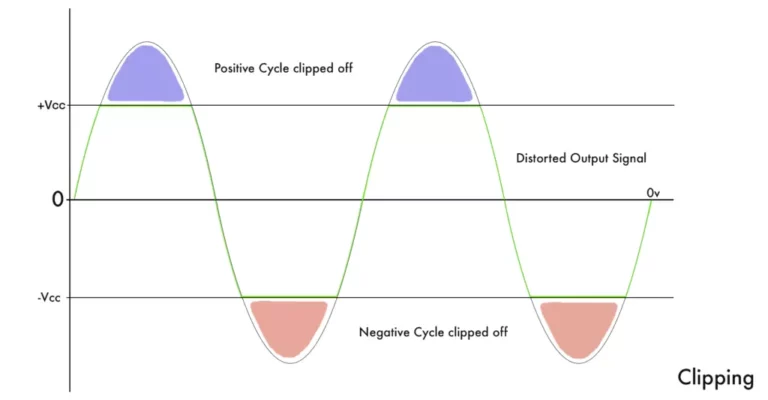
Setting gain too high causes clipping—especially dangerous in digital mixers, where distortion is harsh and unforgiving.
Correct gain staging:
- Preserves headroom
- Keeps sound natural and musical
- Prevents listener fatigue
3. Improves Feedback Control
Feedback often isn’t caused by “bad speakers”—it’s caused by uneven gain staging.
When gain is poorly set:
- Certain frequencies are over-amplified
- Monitors and mains feed back sooner
Balanced gain structure allows:
- Higher usable volume
- More effective EQ
- Greater stability in live environments
4. Makes Mixing Easier and More Consistent
With proper gain staging:
- Channel faders sit near unity (0 dB)
- Small fader moves create predictable changes
- Volunteers and staff can mix confidently
Without it:
- One channel barely works
- Another is dangerously loud
- Mixing becomes stressful and inconsistent
5. Protects Equipment
Poor gain structure can:
- Overdrive amplifiers
- Damage speakers
- Shorten equipment lifespan
Correct levels keep systems operating efficiently and safely over time.
A Simple Gain Staging Method
A practical approach that works for most small venues:
- Mute the channel
- Have the performer play or speak at real performance volume
- Adjust the input gain until peaks land around –12 dB to –6 dB
- Set the channel fader near 0 dB (unity)
- Build the mix using faders—not gain
If a channel fader ends up extremely high or low, the gain likely needs adjustment.
Why Good Gain Structure Matters
When gain structure is done correctly:
- Modest systems sound professional
- Feedback becomes easier to manage
- Services and shows run smoother
- Volunteers succeed with less training
In small clubs and churches, good gain staging often makes a bigger difference than new equipment.
If you’d like help adapting this process for your specific room, training volunteers, or optimizing a digital mixer setup, proper gain structure is a great place to start—and often the fastest path to better sound.