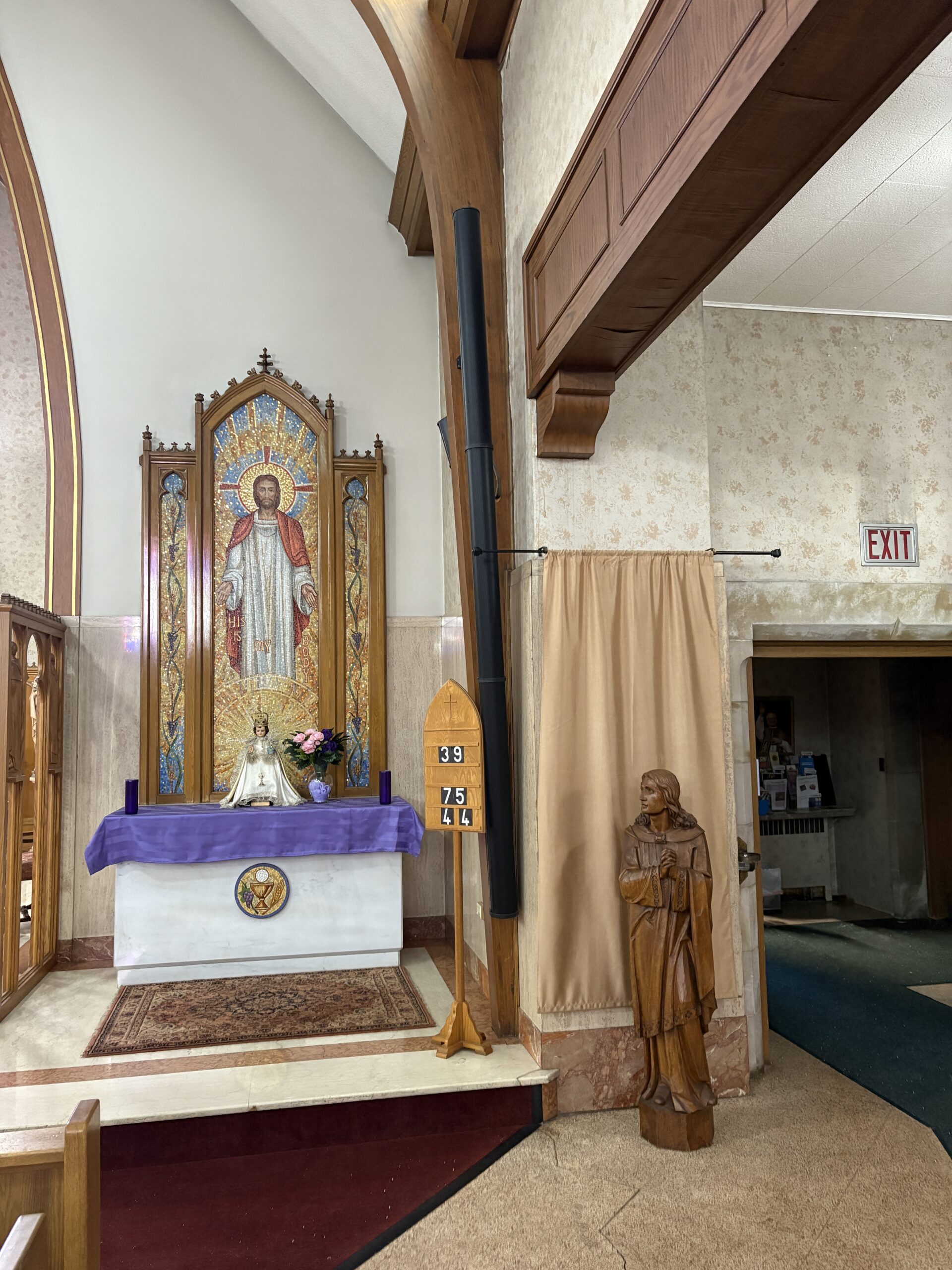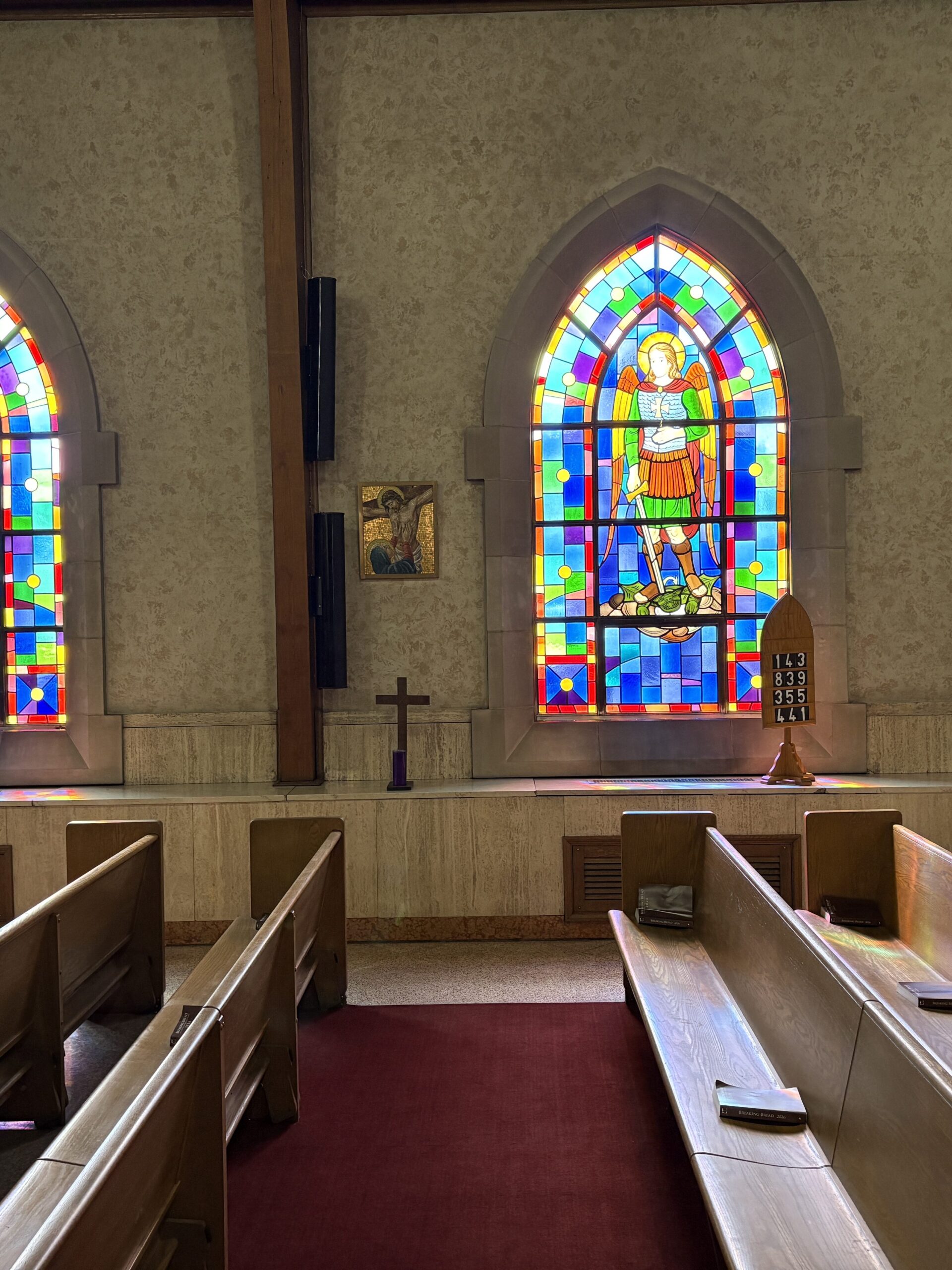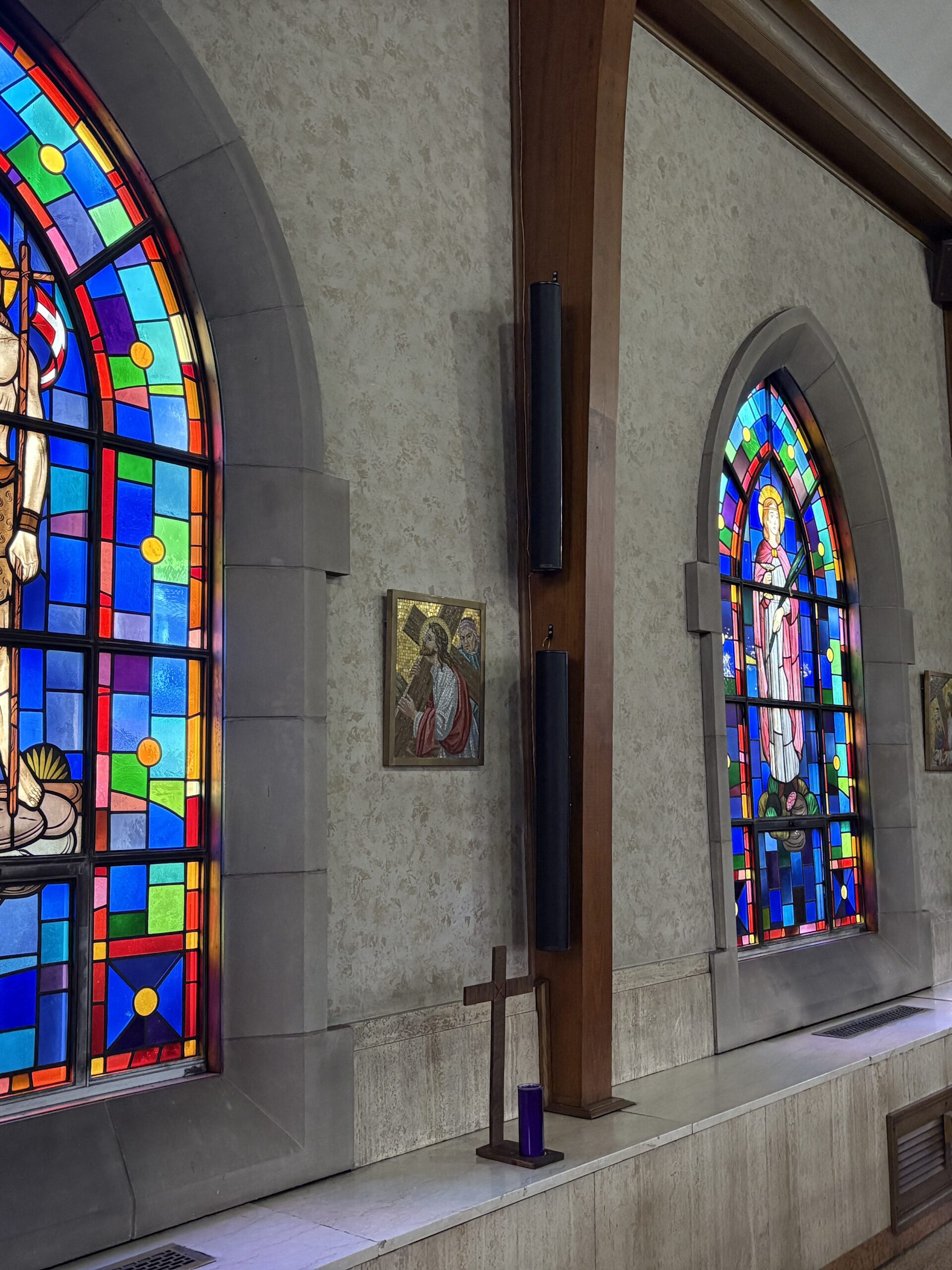
Dealing with sound in an old, reflective sanctuary or cathedral is one of the greatest challenges in professional audio. Towering ceilings, stone and plaster surfaces, stained glass, hardwood floors, and extremely long reverberation times can quickly turn speech into echo and music into mud if the space is treated like a conventional room. In environments like these, the room itself becomes part of the sound system — and designing around the acoustics is just as important as the equipment being installed.
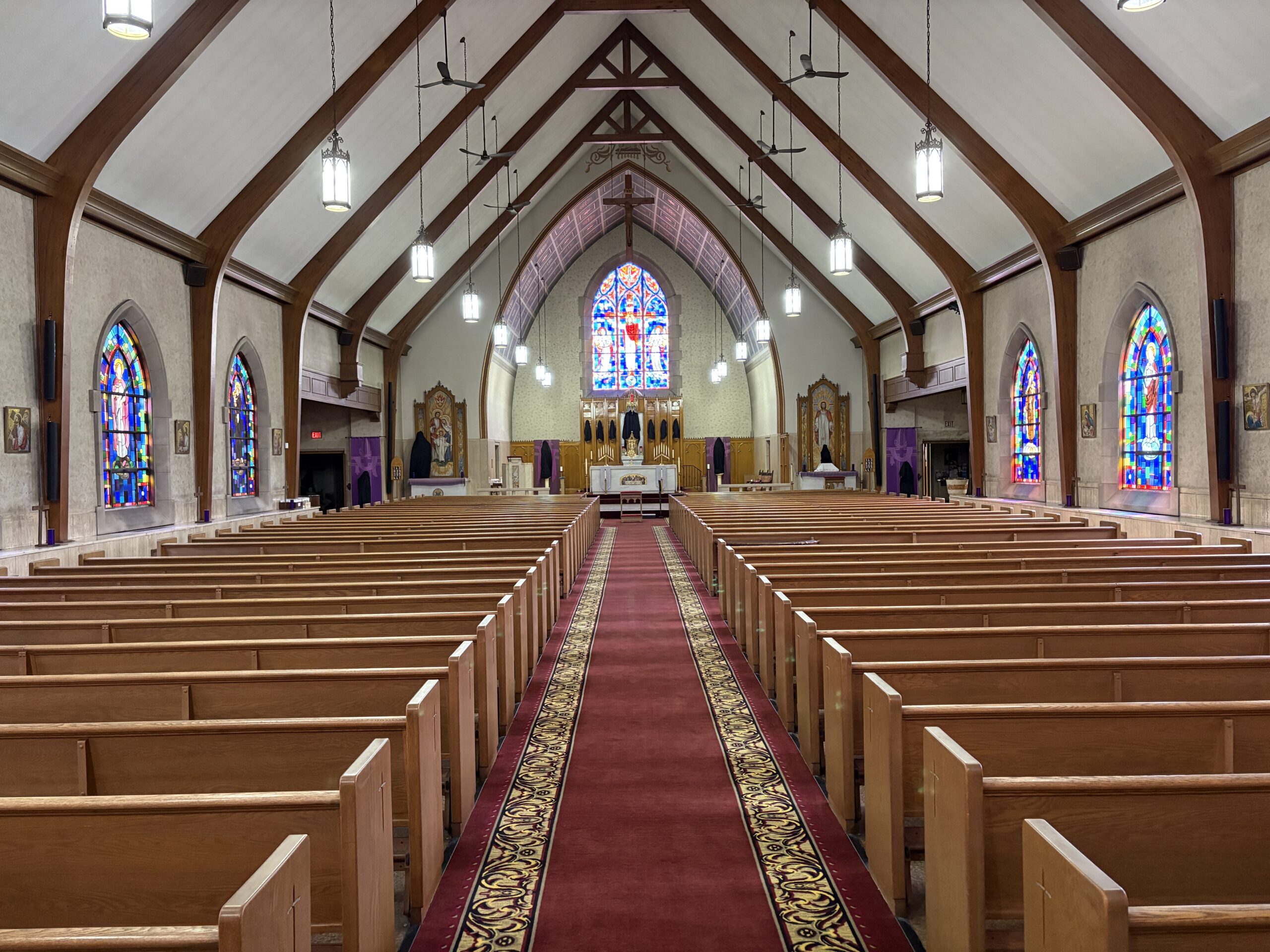
When Holy Redeemer Catholic Church reached out to us for help, the challenges they were experiencing were immediately familiar. In addition to equipment failures and wireless microphone dropouts, the church was struggling with intelligibility in the rear half of the sanctuary. With a sanctuary stretching well over 100 feet in length and only point-source speakers located at the very front, it was no surprise that parishioners in the back were having difficulty clearly hearing speech and music.
In spaces like this, the answer is almost never to simply “turn the system up louder.” Increasing volume in a highly reverberant sanctuary usually creates the opposite effect — the front rows become overwhelmingly loud while the rear of the room still struggles with clarity as reverberation builds faster than intelligibility. The real solution is a properly designed distributed sound system that delivers controlled, even coverage throughout the space.
The Challenge
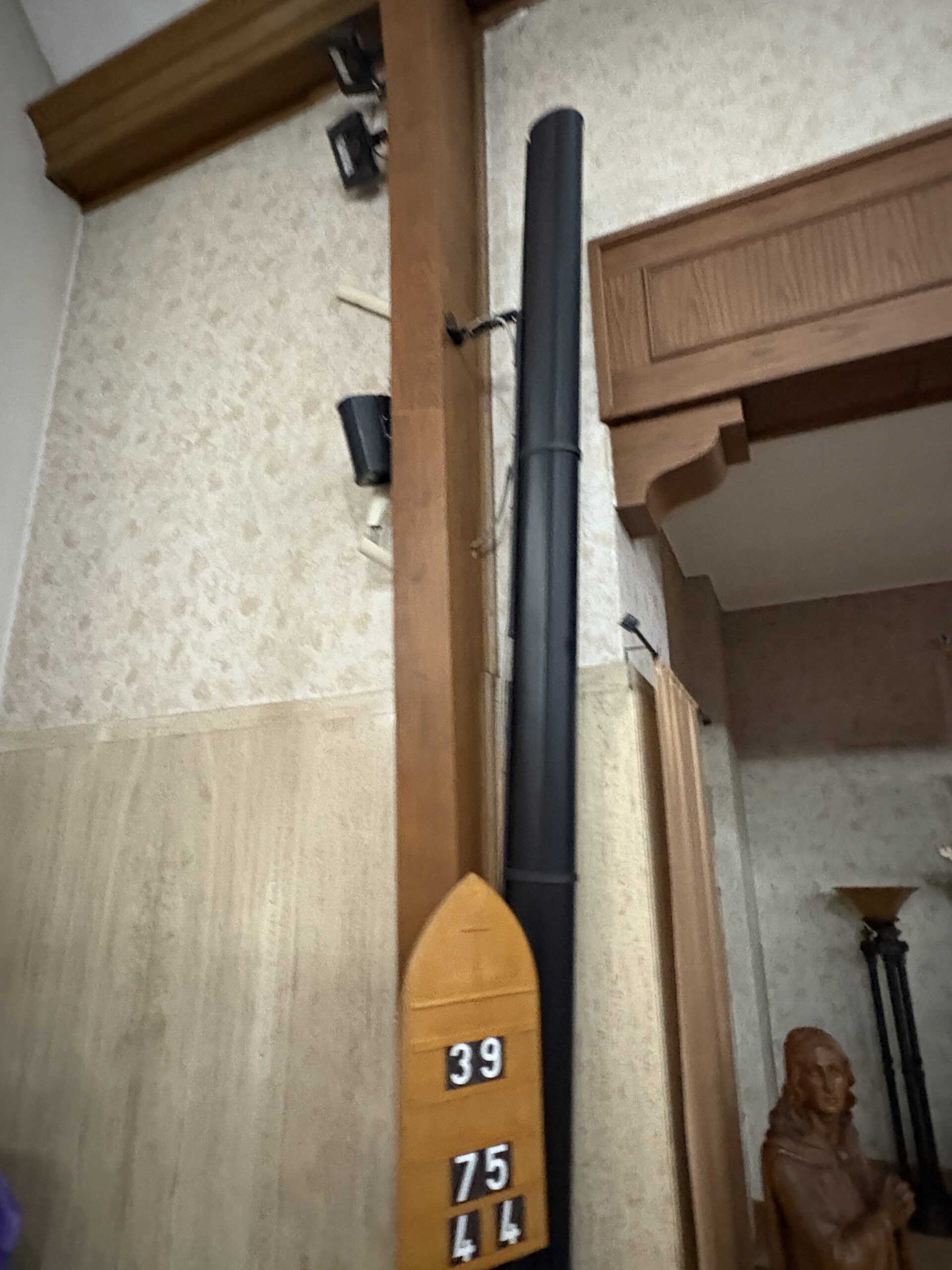
At the front of the sanctuary, the church was already using a pair of Community ENTASYS 200 column speakers that had been installed only a few years prior. The ENTASYS platform is a very capable solution and an excellent choice for reflective worship environments due to its controlled vertical dispersion and discreet architectural appearance. The issue was not the quality of the existing system — it was the sheer length of the sanctuary. Even a well-designed front speaker system can only project so far before intelligibility begins to collapse in a room of this size and acoustic character.
The Correct Solution: Delayed Fill Speakers
To maintain both the performance characteristics and the discreet visual aesthetic of the existing system, we chose to stay within the same product family and integrate two additional Biamp ENT212B ENTASYS column speakers powered by an LEA Professional CS704 amplifier approximately 52 feet from the main front arrays. These speakers were precisely delayed by 44 milliseconds to align with the arrival time of the main system.
The result was a dramatic improvement in speech intelligibility and tonal consistency throughout the sanctuary. Rather than overwhelming the room with additional volume, the new distributed system provided warm, even audio coverage from front to back while preserving the natural character of the worship space. Because the added speakers blend seamlessly into the architecture, most parishioners will never notice the new equipment — only the improvement in clarity and overall listening experience.
In addition to the speaker expansion, we upgraded the church’s wireless microphone infrastructure with a new Sennheiser EW-D 835-S handheld wireless system to complement the two existing wireless channels already in service. We also installed a Sennheiser EW-D ASA antenna splitter system with half-wave antennas to properly combine and distribute RF signals for improved reliability and cleaner wireless performance throughout the sanctuary.
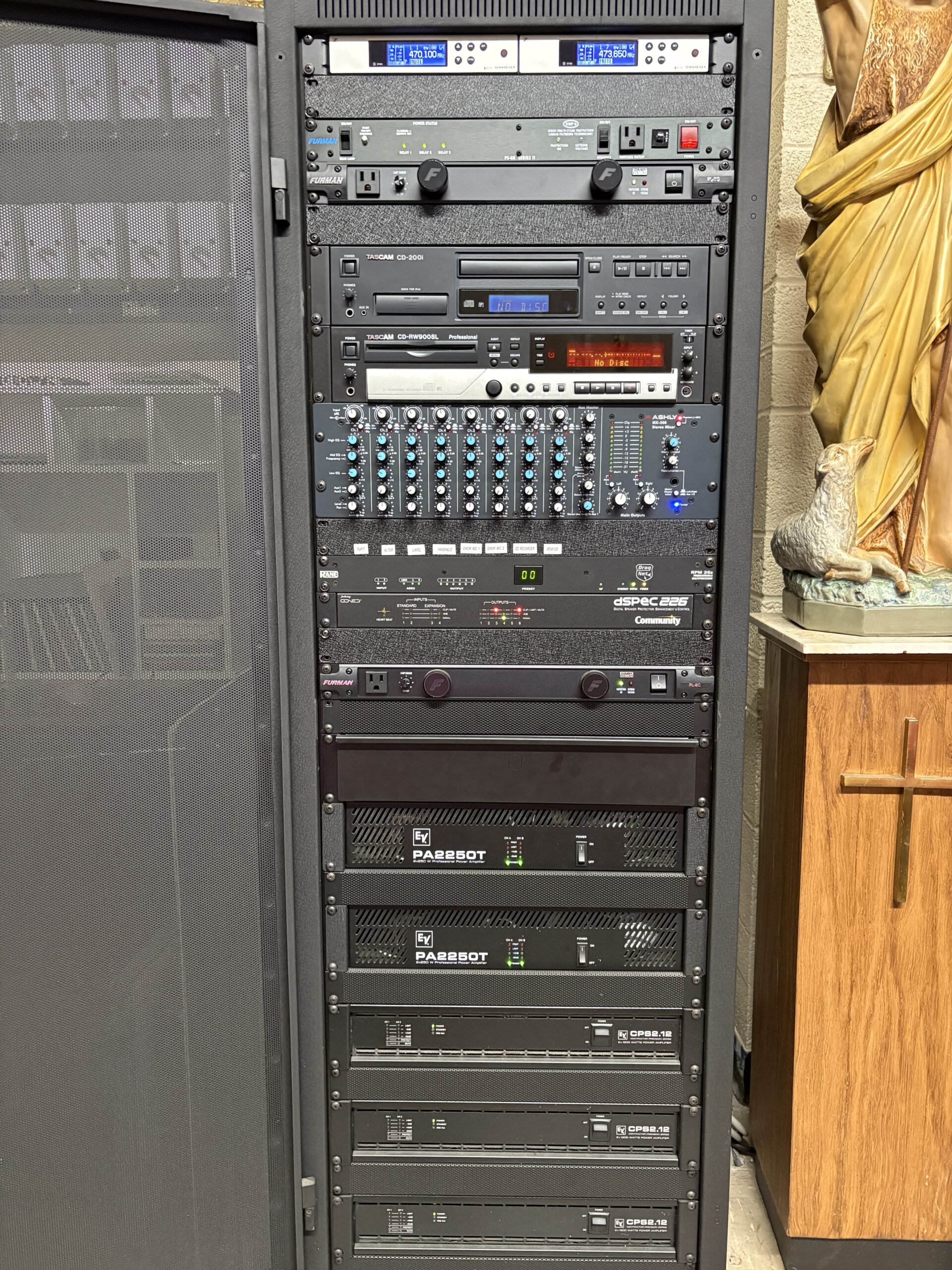
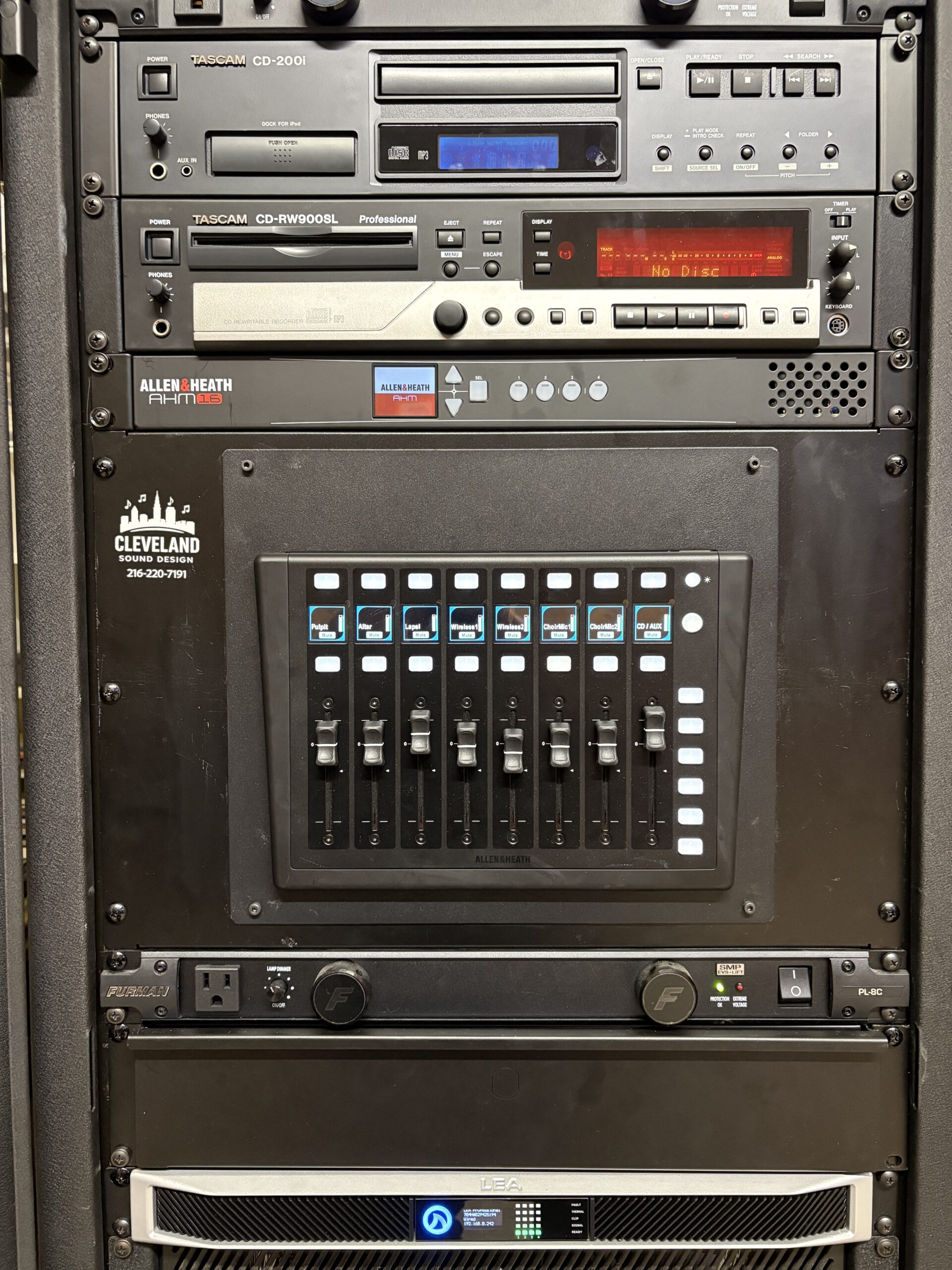
The system upgrades also included replacing the aging Ashly MX-508 passive mixer with a modern Allen & Heath AHM-16 audio matrix processor. This provided significantly greater system control, modern DSP processing capabilities, and wireless control functionality through a custom iOS-based control interface we designed and configured specifically for the church staff.
It was a pleasure working with the team at Holy Redeemer Catholic Church, and we are grateful for the opportunity to help improve the worship experience for their congregation. We look forward to assisting them with any future sound reinforcement or AV integration needs.
Before
After